Combating Phishing and Identity Spoofing in Digital Banking
Navigating the modern digital banking landscape requires absolute vigilance. Cybercriminals continue to employ sophisticated social engineering techniques, specifically targeting business managers, financial officers, and everyday consumers to compromise access codes.
1. Recognizing Phishing Scams
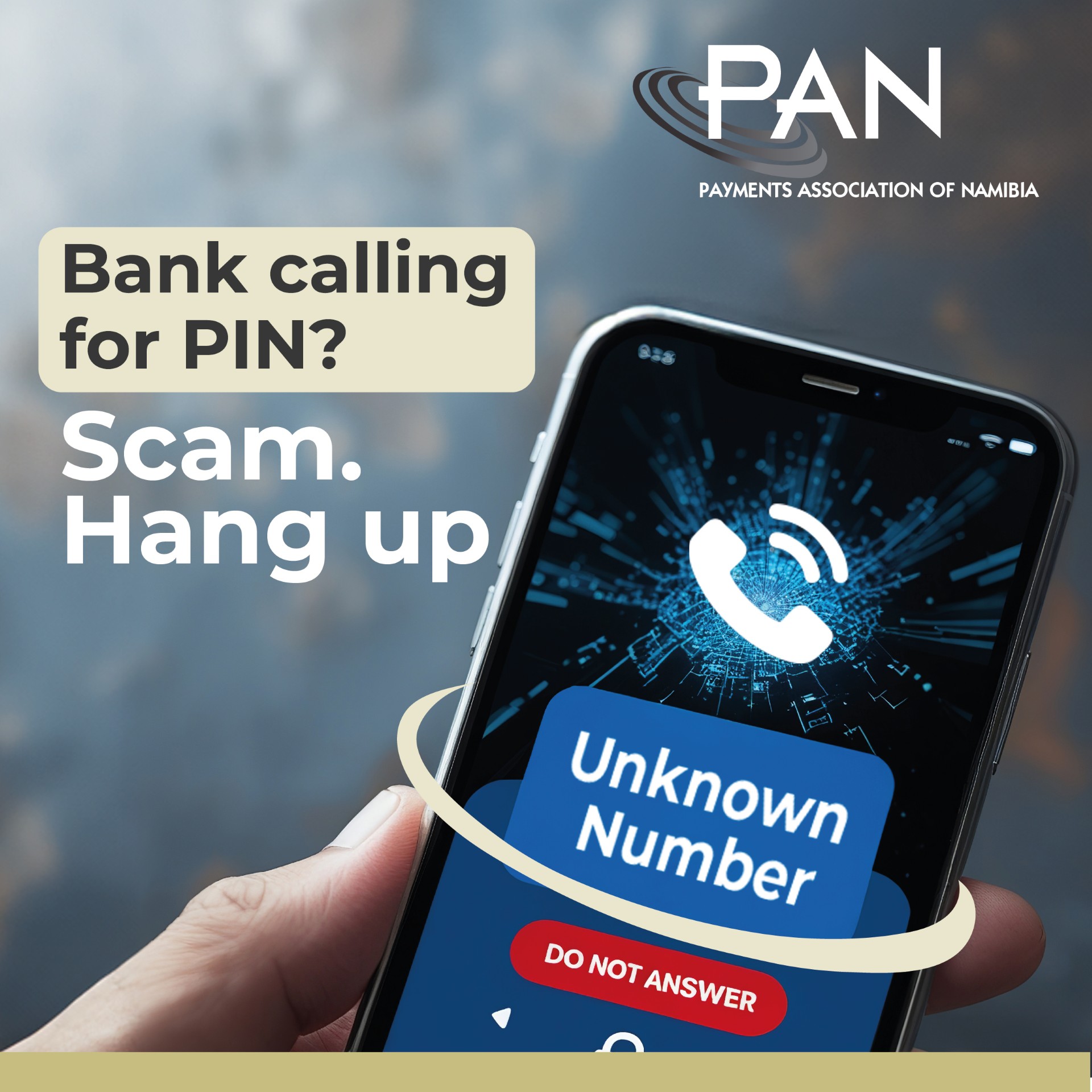
Phishing typically involves fraudulent emails, SMS messages (smishing), or phone calls (vishing) that mimic official communications from major banking institutions. These messages often demand urgent security updates or account verification, redirecting users to spoofed web interfaces designed to harvest credentials.
2. Safeguarding Corporate Access
To shield your business, implement multi-factor authentication (MFA), verify sender domains closely before clicking links, and ensure your staff never shares authorization PINs or tokens over the phone or email.
3. The FIFSC Mandate
Under the Financial Institutions Fraud and Security Committee (FIFSC), PAN collaborates closely with commercial banks and regulatory authorities to track active cyber-threat patterns, enabling rapid industry-wide response to block malicious fraud portals.